
Unless you’ve travelled with them before (or you’ve seen this truly magnificent misheard lyric video), the odds are you won’t have heard of them.
Despite that, Stena Line are a true monolith when it comes to ferry travel. The Swedish firm has vessels crisscrossing shipping lanes from the Channel to the Baltic. They have so many routes and ships that it would be impossible to review them all.
What are the ships like?
They’re retty snazzy, as far as car ferries go. Competition between ferry companies is big business, with operators in engaged in a near-permanent arms race to have the most comfortable offerings on the high seas. Some even have airline style loyalty programs.
Stena’s ships typically have a cafeteria serving reasonable, if pricey, fare that wouldn’t be out of place at your local IKEA. There’s also a fairly standard bar, a kid’s play area, and a shop selling duty free type goods – although they may well not be actually duty free. The boats also have premium lounges for those prepared to splash out (pun fully intended) for a more luxurious crossing.
So, tell me about these lounges…
Glad you asked. Branded as ‘Stena Plus’, the quality varies wildly throughout their fleet, on account of them being relatively recent additions. Think of them as an okay airport lounge – they generally offer nicer seats, a slightly quieter space, limited free drinks (wine: yes; hard liquor: no) and table service – but you’ll need to pay for meals.
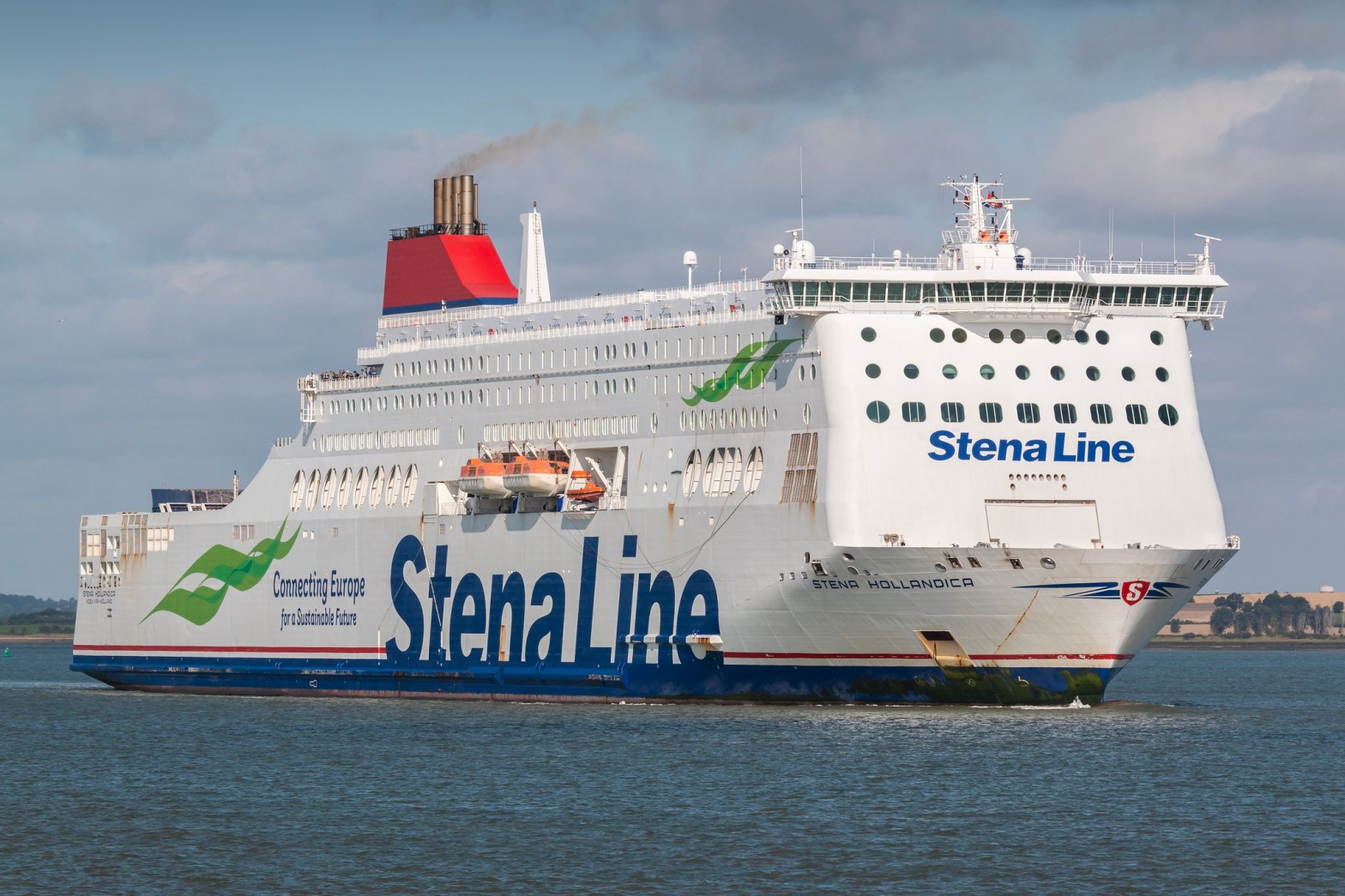
On certain ships, the lounge is positioned at the very front of the ship and offers commanding views over the waters ahead. On other ferries, however, like the Stena Hollandica and Stena Brittanica, the lounge is a small private area away to the side.
Given the huge variation in journey times, the upgrade fee differs a lot.
What else is there to do?
Let’s not beat about the bush here: Stena Line want your money. No matter where you go on the vessel, you’ll be near a coffee shop, bar or restaurant where you can exchange your currency of choice for goods and services.
Some ships have a spa, for some reason, and most of them also have cabins. Even if you’re not travelling overnight, you can still book them for a relatively modest fee. That said, they tend to kick everyone out of the cabins an hour before arrival on daytime jaunts.
WiFi used to be free on board, but it isn’t anymore. That said, it was utterly shit and barely worth wasting your time with. The new, paid service is infinitely better in that it actually works. It’s also surprisingly fast, given that you’re at sea.
Public service announcement: Stena Line’s ships have often have a satellite mobile network on board, data can cost up to £6 per MB, depending on your network – making an average TV episode over £2,000 to watch.
(Stena Line are keen to stress that they don’t operate the network nor set the prices).
What’s an overnight sailing like?
Think of it like a hotel. You check in, you go to your room, you do whatever you want to do, and then you get off at the other end. The rooms are spotless, the beds are very comfortable, and there’s a small en-suite bathroom provided. As space is at a premium on board, cabins with windows usually cost considerably more. If cabins without windows freak you out, wait until you see the prices…
Worth it?
They’re definitely worth paying a bit more for on a longer journey. It really depends how much you think the extras are worth.
Describe it in a word?
Swish.
A sound?
HmmmMMMMM????
Is there a ship’s cat?
Yes, they’re called Thor.
Really?
No, you daft c**t.
 Crappy